
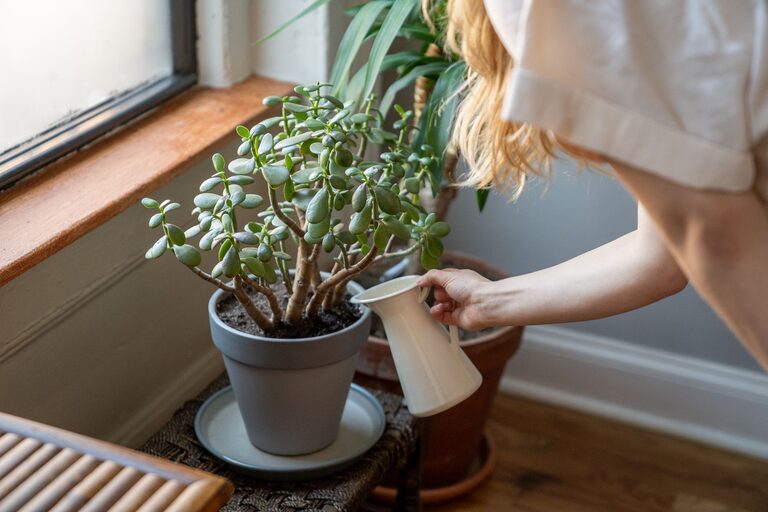
Bringing houseplants into your home adds beauty, improves air quality, and creates a calming atmosphere. However, keeping these plants healthy requires some basic knowledge and care. Whether you’re a seasoned plant parent or a beginner, understanding the essentials of plant care can help you enjoy thriving greenery indoors.
Understanding Your Houseplants
Each plant species has its own unique needs, so the first step is to learn about the specific types you own. Consider factors such as light preference, watering schedule, and soil type. This insight helps you create the best environment for your plants.
Light Needs
Houseplants generally fall into three categories based on their light requirements:
– Bright light: Place near south- or west-facing windows, where sunlight is strong.
– Indirect light: Ideal for east-facing windows or spots a few feet from a sunny window.
– Low light: Suitable for rooms with limited natural light, such as bathrooms or corners away from windows.
Make sure to rotate your plants regularly so all sides get equal light exposure.
Watering Your Houseplants Properly
Watering is one of the most important aspects of plant care. Both overwatering and underwatering can cause stress or damage to your plants.
Tips for Effective Watering
– Check soil moisture: Before watering, stick your finger one to two inches into the soil. If it feels dry, it’s time to water.
– Use room-temperature water: Cold water can shock roots.
– Water evenly: Avoid flooding one side of the pot; water until it starts draining from the bottom.
– Drain excess water: Use pots with drainage holes and empty the saucer to prevent root rot.
Adjust your watering frequency based on the season—plants generally need less water during cooler months.
Choosing the Right Soil and Fertilizer
Healthy soil supports strong roots and growth. Most houseplants thrive in well-draining potting mixes designed for indoor plants.
Soil Tips
– Use potting soil rather than garden soil, which can be too dense.
– Consider specialized mixes for succulents, orchids, or African violets if you have those plants.
Fertilizing Tips
– Feed your plants during their growing season (usually spring and summer) using a balanced, water-soluble fertilizer.
– Follow the package instructions carefully to avoid over-fertilizing, which can harm plants.
– Reduce or stop fertilizing in fall and winter when growth slows.
Managing Humidity and Temperature
Many houseplants come from tropical regions and appreciate higher humidity levels.
Improving Humidity
– Group plants together to create a microenvironment with higher moisture.
– Use a humidity tray filled with water and pebbles underneath pots.
– Consider a room humidifier if your home is very dry, especially in winter.
Temperature Considerations
– Keep plants away from cold drafts or heat sources like radiators.
– Most houseplants prefer temperatures between 65°F and 75°F (18°C to 24°C).
– Avoid sudden temperature changes that can stress plants.
Pruning and Cleaning Your Plants
Regular maintenance helps plants stay healthy and encourages new growth.
Pruning
– Remove dead or yellowing leaves promptly.
– Trim leggy or overgrown branches to maintain shape.
– Use clean, sharp scissors or pruning shears.
Cleaning
– Dust can block sunlight and reduce photosynthesis.
– Wipe leaves gently with a damp cloth or give plants a light shower in the sink or shower.
Preventing and Treating Common Pests
Indoor plants can be vulnerable to pests such as spider mites, aphids, and mealybugs.
Prevention Tips
– Inspect new plants before bringing them home.
– Quarantine new plants for a week or two.
– Keep plants healthy to resist pest infestations.
Treatment Options
– Use insecticidal soap or neem oil spray to treat infestations.
– Isolate affected plants to prevent spread.
– Clean pots and surrounding areas regularly.
Repotting Your Plants
As houseplants grow, they may outgrow their pots or deplete soil nutrients.
When to Repot
– Roots grow out of drainage holes.
– Soil dries too quickly after watering.
– Plant looks top-heavy or overcrowded.
How to Repot
– Choose a pot one size larger with drainage holes.
– Gently remove the plant from the old pot and loosen roots.
– Replace old soil with fresh potting mix.
– Water thoroughly after repotting.
Final Thoughts
Caring for houseplants can be a rewarding and enjoyable hobby. By providing the right light, water, soil, and attention, your indoor plants will not only survive but thrive. Remember to observe your plants regularly and adjust care as needed to keep your indoor garden vibrant and healthy. With these tips, you’ll create a greener, more refreshing living space.