
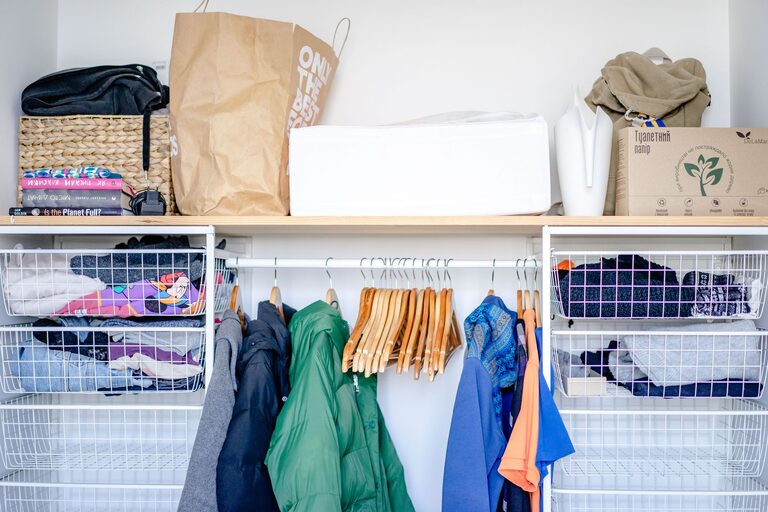
Storing seasonal clothes efficiently can make a big difference in your home’s organization and can also extend the life of your garments. Whether you are packing away winter coats or summer dresses, having a smart system in place helps keep your wardrobe tidy, easy to manage, and ready for the next season. This guide will walk you through practical steps and ideas to store your seasonal clothes neatly and safely.
Why Store Seasonal Clothes Properly?
Clothing made for different seasons tends to be bulky, delicate, or require special care. When not in use, improper storage can lead to:
– Wrinkling and creasing
– Fabric damage from dust, moisture, or pests
– Loss of space in your closet or drawers
– Difficulty finding items when the season changes
Efficient storage keeps your clothes in good condition and helps maintain a clutter-free living space.
Step 1: Sort and Declutter Before Storing
Before packing your clothes away, it’s important to sort through your wardrobe.
Tips for Sorting Seasonal Clothes
– Try everything on: Make sure clothes still fit and you feel comfortable wearing them.
– Check for damage: Repair minor tears, missing buttons, or stains before storing.
– Donate or recycle: Remove items you no longer wear or need to free up space.
– Group similar items: Organize clothes by category such as tops, bottoms, outerwear, and accessories.
Getting rid of unwanted items lightens your load and makes it easier to find what you need.
Step 2: Clean Clothes Thoroughly
Always wash or dry clean clothes before storing. Dirt, sweat, and oils can attract insects and cause stains to set over time.
Cleaning Tips
– Follow garment care labels carefully.
– Make sure everything is completely dry to prevent mold or mildew.
– Use gentle detergents for delicate fabrics.
– Consider professional cleaning for heavy coats, suits, or delicate items.
Clean clothes are less likely to harbor odors or pests during storage.
Step 3: Choose the Right Storage Containers
The type of storage container you use makes a big difference in protecting your seasonal clothes.
Storage Options
– Plastic bins: Clear, airtight bins protect against moisture and pests while allowing you to see contents.
– Fabric storage bags: Breathable and lightweight, great for delicate garments but may not keep out moisture.
– Vacuum-sealed bags: Save space by compressing clothes but can sometimes cause wrinkles; avoid for very delicate fabrics.
– Storage boxes with lids: Ideal for stacking and organizing, but choose ones that are sturdy and moisture-resistant.
Avoid using cardboard boxes unless they are stored in dry, climate-controlled areas, as they can attract insects and moisture.
Step 4: Prepare Clothes for Storage
Properly folding and packing can prevent wrinkles and damage.
Folding Techniques
– Use acid-free tissue paper between delicate items to prevent creasing.
– Fold clothes loosely to avoid stress on the fabric.
– Roll t-shirts and casual wear to maximize space and reduce wrinkles.
Hanging Storage
For bulky coats, suits, or dresses, use sturdy hangers and garment bags. Avoid overcrowding in your closet, as this can cause clothes to lose shape.
Step 5: Store Clothes in a Suitable Environment
Where you store your seasonal clothes matters as much as how.
Ideal Storage Conditions
– Cool, dry, and dark spaces reduce fading, mildew, and insect damage.
– Avoid areas with temperature extremes like attics or basements.
– Use moisture absorbers or silica gel packets to control humidity.
– Add natural repellents like cedar blocks or lavender sachets to deter moths.
Label containers clearly with the contents and season for easy retrieval.
Step 6: Maintain Your Storage System
Regularly check your stored clothes to ensure they remain in good condition.
Maintenance Tips
– Inspect for signs of pests, mold, or odor every few months.
– Air out clothes by taking them out briefly before the next use.
– Update your storage system as your wardrobe changes.
Consistency in maintenance keeps your seasonal clothes fresh and ready.
Bonus Tips for Efficient Seasonal Clothes Storage
– Use under-bed storage: Utilize the space under beds with shallow containers for items like sweaters or swimwear.
– Install extra shelving: Maximize vertical space in closets or rooms by adding shelves specifically for seasonal storage.
– Rotate clothes: When switching seasons, rotate clothes so frequently used pieces are easily accessible.
– Create a checklist: Keep track of what you have stored to avoid duplicate purchases or forgotten items.
Conclusion
Efficiently storing seasonal clothes is a simple way to keep your home organized and your wardrobe in great shape. By sorting, cleaning, selecting the right containers, and choosing the best storage environment, you can protect your clothes through seasonal changes. With a little planning and regular upkeep, seasonal wardrobe storage can be easy and stress-free.